Phone sales in 2026: why describing is no longer enough
Pitch, CRM, scripts: telesales got professional about everything but one thing. The prospect still cannot see the product. Here is why that changes everything.

Telesales has optimised everything: the pitch, the targeting, the reporting. But it left aside the most obvious lever: showing the product. In 2026, that is what separates teams that close from teams that send a PDF and hope.
Phone selling has a bad reputation. People call it outdated, replaced by digital, doomed by gatekeepers and rejections. Yet it has never sold so much. It has simply changed shape.
Today's salesperson does not call at random. They rely on a CRM, a qualified list, a well crafted pitch, indicators tracked in real time. Telesales has professionalised almost everything. Almost. Because one lever remains unused, even though it has been in front of us all along: showing the product.
Telesales optimised everything except what the customer sees
Take any recent phone sales guide. It talks about targeting, tailoring the pitch, handling objections, contact rate, conversion rate. Everything revolves around one idea: speak better to convince better.
That is useful. But it hits a limit the best script in the world will never cross. On the phone, the prospect has nothing in front of their eyes. They listen to a description, maybe get a PDF brochure after the call, and have to imagine the product, the offer, the benefit.
We bet everything on words. We forgot the visual.
The real blocker is not the pitch, it is imagination
Here is what actually happens in the mind of a prospect who cannot see.
They listen. They try to picture what is being described. A sofa, a smartphone, a kitchen, a contract, a financing plan. And since they have no image in front of them, they fill the gaps with their own assumptions. Often by imagining the worst.
The result: doubt sets in. And a prospect in doubt does not say no. They say "let me think about it", "send me the documentation", "I need to discuss it at home". Polite ways to postpone a decision they do not feel able to make blind.
The salesperson hangs up with a "maybe" that, nine times out of ten, will never become a "yes". This is not a pitch problem. It is a projection problem.
Showing is selling: what stores have always known
Why do people still go to a store for an important purchase? To see. To touch, compare, project themselves. In-store selling rests on one obvious truth: you buy better what you can see.
There is nothing new about this principle. It simply stayed stuck in the physical world, because there was no way to reproduce it remotely during a call.
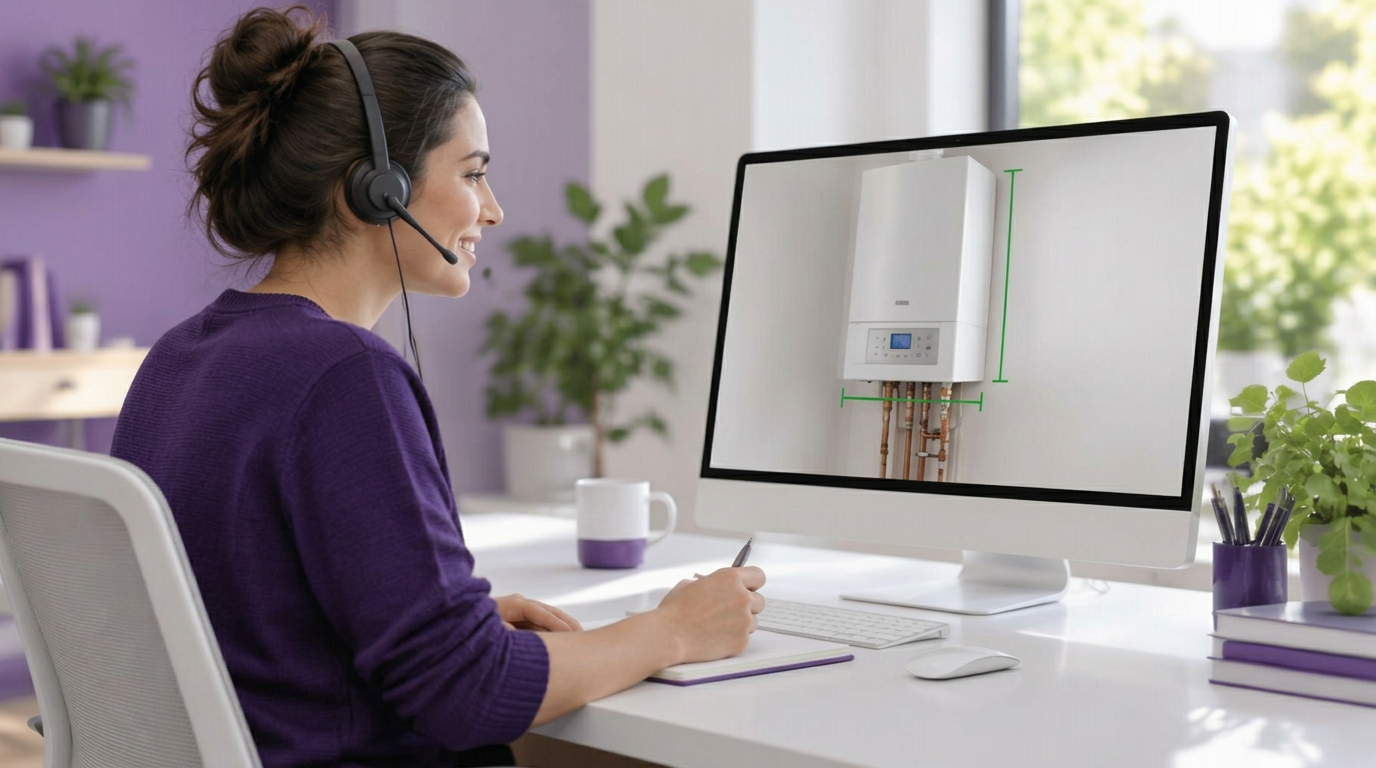
That is exactly what phone selling can finally fix. When the prospect sees the product, the offer, the live simulation, the mechanism flips. They stop guessing, they see. They project. Reassurance replaces doubt. And reassurance is the basis of every sale.
Across campaigns run so far with Vizalia for telesales, showing the product during the call closes the sale in 9 cases out of 10. And teams using visual sell up to four times more than teams that only describe. Same motion, same product, same offer: the only difference is that the customer saw it.
It also works for what is not an object
You might think showing only helps for physical products. That is wrong, and the effect is sometimes strongest there.
A bank advisor explaining a loan by phone lists figures, rates, monthly payments. The customer nods, without really following. Let them share a simulator on screen, move the sliders live, and suddenly the numbers speak. The same logic applies to an insurance policy, a quote, an investment projection.
That is precisely why banks and insurers are looking closely at this kind of use, as branch traffic declines and most of the relationship moves remote.
What it changes for your teams, concretely
The classic objection falls fast: "we can already screen share with the tools we have." In practice, no. In B2C, your customer does not have your meeting software on their mobile, a phone screen share is unreadable, and if you have to hang up to invite them elsewhere, you lose them on the way.
The point of a visual call designed for sales is precisely that it breaks nothing in the existing motion:
- The salesperson keeps their call, their CRM, their pitch.
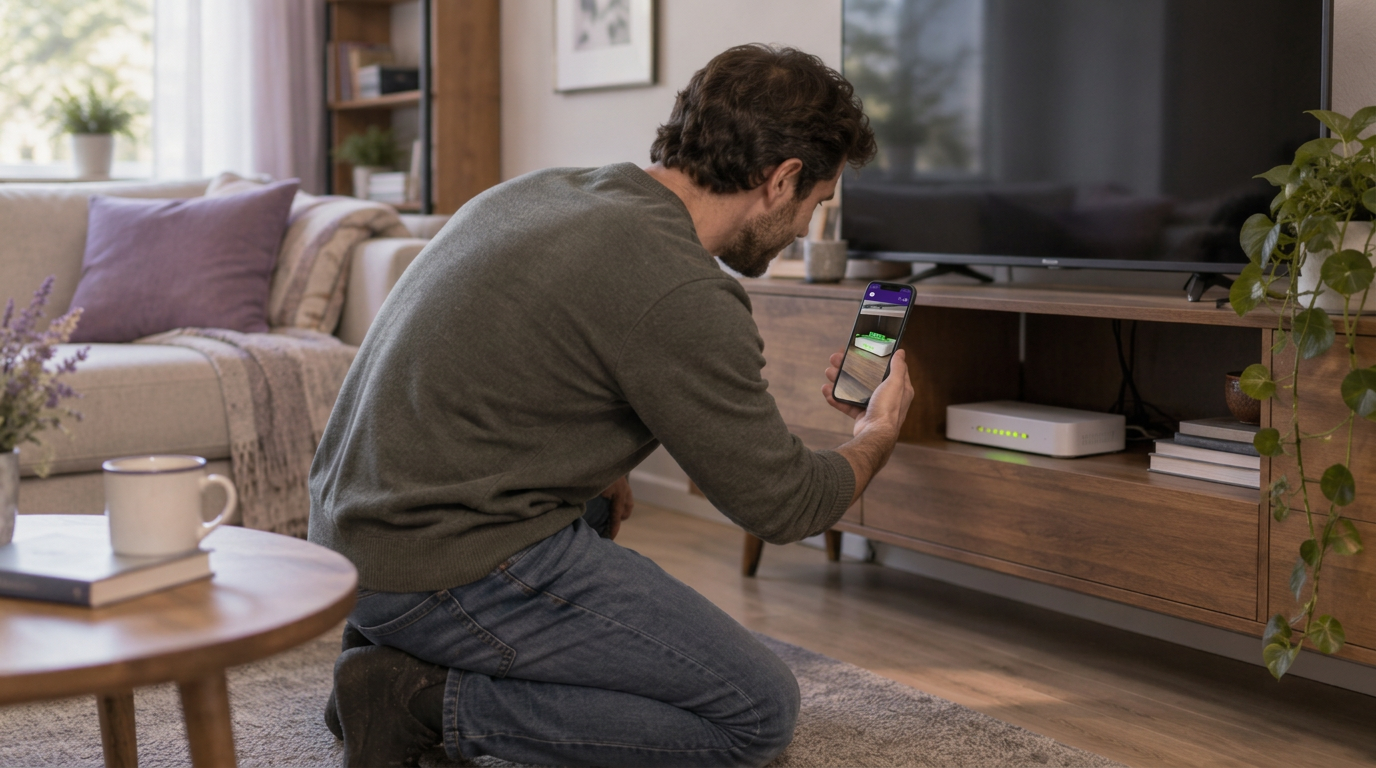
- The customer gets an SMS, taps a link, and sees, in under ten seconds.
- No download, no app, no installation.
You are not adding a step. You are adding an image to a channel your teams already master.
In 2026, phone selling is decided by what the customer sees
Telesales is not dead, it is incomplete. It professionalised speech and neglected sight. In a world where customers want everything, right now, without travelling, but without giving up real advice, whoever shows takes the lead.
Describing asks the customer for an effort of imagination. Showing gives them certainty. And between doubt and certainty, there is a sale.
Because seeing on the phone changes the decision.
In short (FAQ)
Does phone selling still work in 2026?
Yes, provided it is modernised. The channel still performs strongly in B2C and B2B, but its conversion rate depends more and more on the ability to reassure the prospect, notably by showing them the product or offer during the call.
How do you increase telesales conversion rates?
Beyond the pitch and the targeting, the most underused lever is visual. Showing the product or a live simulation reduces doubt, and reassurance clearly improves closing. On Vizalia campaigns, seeing the product closes the sale 9 times out of 10.
Can you show a product without the customer installing an app?
Yes. With Vizalia, the advisor sends a link by SMS, the customer opens it in one tap, and the connection is established in under ten seconds, with no download or installation. The same principle powers remote visual support.
Is visual useful for selling services (banking, insurance)?
Especially. Sharing a simulator or walking through a contract on screen makes figures and guarantees concrete, which are often abstract on the phone, and helps the customer decide.